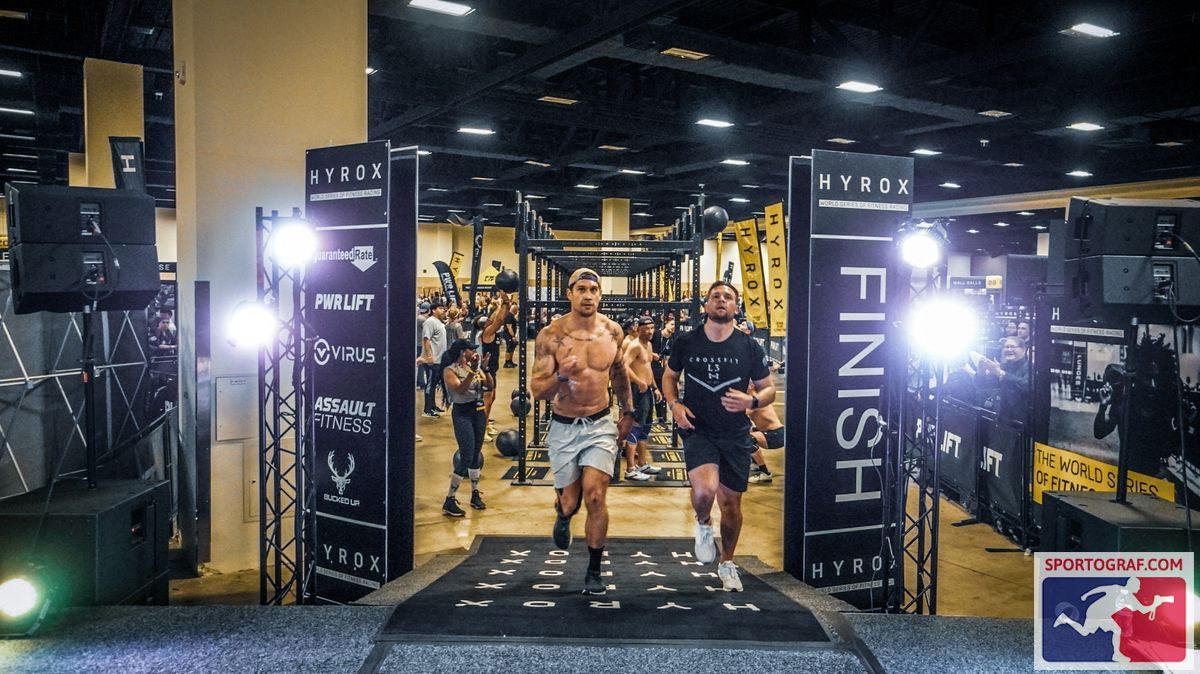
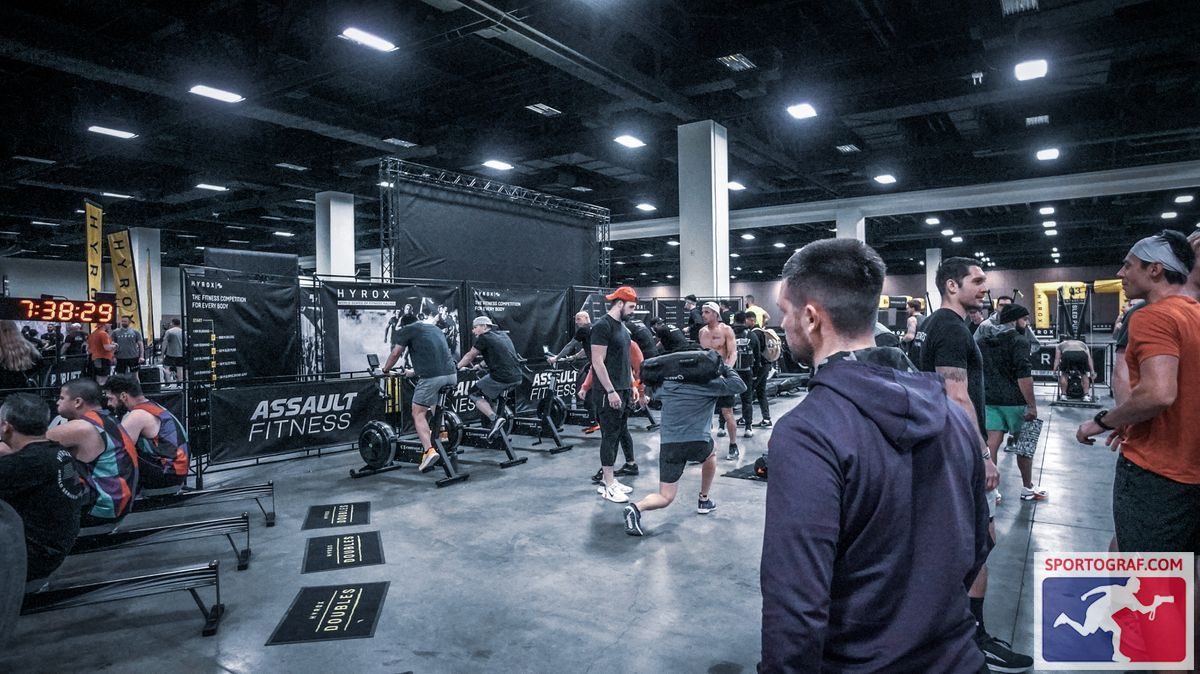
You cannot gain fitness on race morning, but you can lose four minutes to logistics. This is the boring list that protects the work you already did.
One rule covers all of it: nothing new on race day. Not shoes, not food, not a supplement someone recommended in the car park.
Do almost nothing, and pack the bag tonight.
Decisions at six in the morning are bad decisions. A short jog is fine if you are restless; a final hard session cannot help and can hurt.
Arrive two to three hours before your wave and get in line. Check-in opens 90 minutes before the race.
The check-in line forms well before it opens, and behind it are bag drop, a bathroom stop and finding your corral. Eat something you have trained on around the time you arrive, and sip water rather than drinking a liter at once.
Learn where every station and your lane sit before you are exhausted.
Athletes lose real time simply looking for things. Free minutes, available to anyone who turns up early enough.
Get warm, not tired — and finish close to your start.
Easy running building to a few race-pace efforts, then light work through the patterns. Standing in a corral getting cold undoes the whole thing.
Come run a session at race intensity and rehearse the routine while it still matters.
Book A Free Class →Go slower than everybody around you.
The opening kilometer is the most expensive mistake on the course — the field will drag you along if you let it. Run your pace, not theirs. And run every roxzone: never walk it.
Keep moving, get a layer on, and write your splits down.
How each station felt is worth more than the medal for your next build, and you will have forgotten it within the hour.
Whatever is next on your calendar, the build starts now. First class costs nothing.
Book A Free Class →Reading is the easy part. If you want this coached instead of self-directed, Maverick (men) and ATHENA (women) are our online teams — a real roster and a coach who answers you, not a template you follow alone.
You have read how it should be done. This is what it actually looks like written out — a full week of real FTX programming, the same work our members did last week.